Useful information
Address
PLATEFORME 10 - Place de la Gare 17
1003 Lausanne
Schedules
Plateforme 10 tickets - 1 museum, full price (adults aged 26 and over)
15 CHF
Plateforme 10 tickets - 1 museum, reduced price, adults aged 26 and over (AVS, AI, unemployed, students, apprentices)
12 CHF
Plateforme 10 tickets - 1 museum, under the age of 26
Free
Plateforme 10 tickets - 3 museums, full price (adults aged 26 and over)
25 CHF
Plateforme 10 tickets - 3 museums, reduced price, adults aged 26 and over (AVS, AI, unemployed, students, apprentices)
19 CHF
Plateforme 10 tickets - 3 museums, duo (visit for two, adults aged 26 and over)
38 CHF
Plateforme 10 tickets - 3 museums, under the age of 26
Free
Free admission on the first Saturday of the month.
Access
CFF train station: 3 minutes on foot
Bus 1, 3, 21, 60: «Lausanne-Gare» stop
Bus 6: «Cécil» stop
Metro M2: «Lausanne-Gare» stop
 +41 21 318 44 00
 Email
Email Website
More info
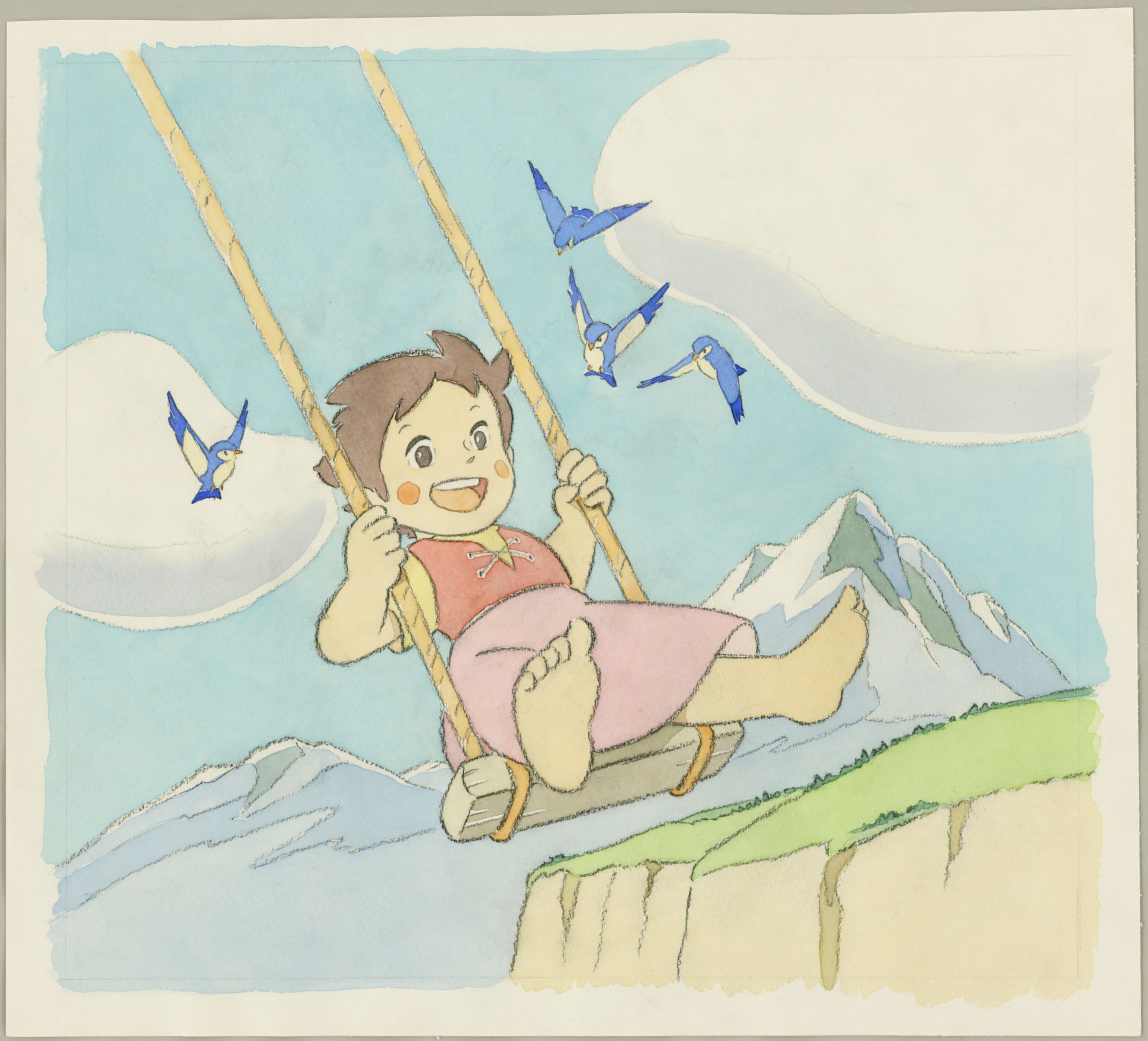
It also highlights an entirely new aspect: the special ties Takahata maintained with the West throughout his life, from his intellectual education to his role as a cultural bridge, and the accuracy of his depictions of the European world in landmark works such as Heidi, Girl of the Alps (1974).
An exclusive section at mudac: Isao Takahata - A Life and a Body of Work in Dialogue with the West
This part of the exhibition explores Isao Takahata’s decisive relationship with the West, particularly the French-speaking world. It retraces his discovery of Prévert’s poetic realism - a foundation of both his aesthetic and political engagement - and presents his in-depth research into The Shepherdess and The Chimney-Sweep (1953), through original documents that shed light on the origins of his vocation. It then examines the unprecedented challenge of adapting classic Western stories into animation - Heidi, Girl of the Alps (1974), From The Apennines to The Andes (1976), Anne of Green Gables (1979) - combining ethnographic rigour with documentary ambition.
Finally, it highlights Takahata’s exchanges with Western artists (Grimault, Ocelot, Back, Norstein and many others), his influence on world animation and his major role in establishing animated film as a recognised art form. This journey illustrates the importance of sustained cultural exchange, portraying Takahata as a key figure in intercultural dialogue and a source of inspiration across borders.